

Love, Libido and the Menopause Divide
Love, Libido and the Menopause Divide
…or why Valentine’s Day might now involve more sofa snuggles than sensual surprises.
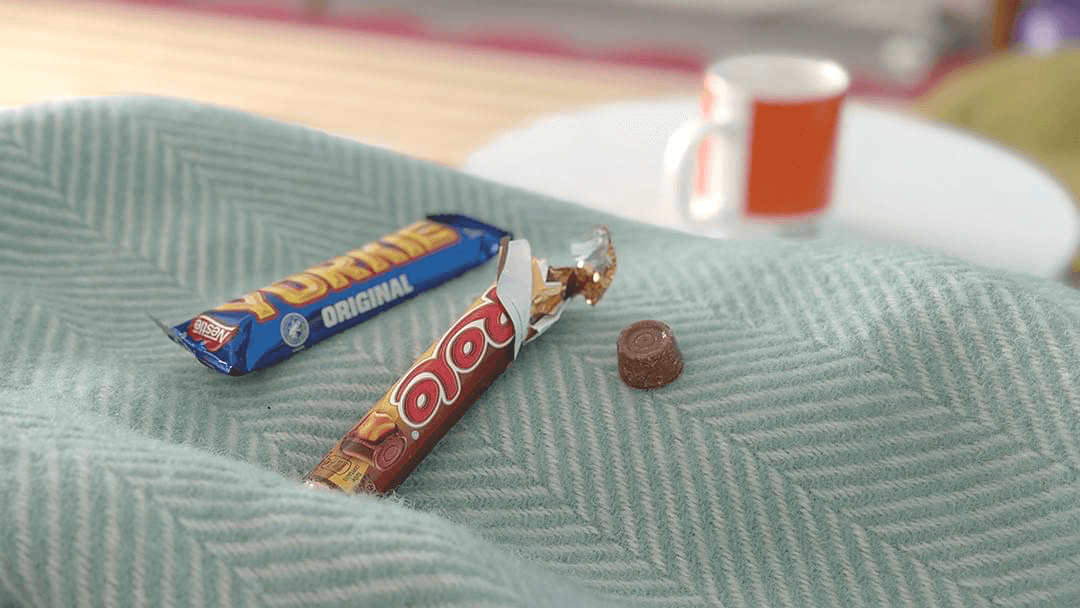
Valentine’s Day is just around the corner, and while the adverts promise candlelit dinners and long lingering gazes, a very different image popped into my head…
Picture this: You’ve cooked something nice (not burnt), maybe even poured a cheeky glass of fizz (before you remembered wine + hot flush = dramatic regret). You’re exhausted, not just “had a busy day” exhausted, but that deep, bone-tired, perimenopause-special kind of tired. The idea of slipping into cosy jim-jams, brewing a cuppa, and curling up on the sofa with your favourite animal companion and a good book feels like the ultimate act of self-love.
Now imagine your significant other joining you on said sofa… only to pick up their phone and start doomscrolling and eating the chocolates loudly (check out Misophonia). Romance? Not exactly.
Turns out I might not be alone in these thoughts. Some recent research found that around seven in 10 women (73%) attribute their divorce to the effects of menopause. Read the findings here. A phrase has even made its way into the vernacular: “Menodivorce”, a break-up where loss of libido, decreased patience, dwindling intimacy, and an increased urge to prioritise self, play starring roles.
And here’s the part that really stopped me: A whopping majority of women in the survey hadn’t mentioned menopause or perimenopause when talking to family lawyers about their separation, mainly because they didn’t recognise how much it had affected them. Even more stark: most lawyers or judges didn’t bring it up either. Many respondents felt that legal professionals need better training in recognising and sensitively responding to menopause-related issues in separation cases.
That’s a lot of silent struggles happening in bedrooms, courtrooms, and everywhere in between.
But here’s the thing, relationships don’t dissolve in a vacuum. They fray where communication frays. They bend under the weight of unspoken feelings and mismatched needs. And midlife isn’t meant to be smooth sailing, especially when hormones are doing their own kind of remix on your emotions, libido, confidence, and patience.
If reading this makes you feel seen, or a little unsettled, you’re not alone, and there is support.
Relate, the UK’s relationship experts, have created a Menopause and Relationships Toolkit (about £10) that’s full of reflection prompts, activities, and quizzes to help you explore:
• Self-esteem
• Vulnerability
• Communication
• Intimacy
• Insecurity
• Coping strategies
The toolkit also includes a discount code for a one-to-one therapy session if you’d like to talk it through with someone who’s trained to listen.
👉 You can find it here: Relate’s Menopause and Relationships Toolkit
Maybe this Valentine’s, instead of perfectly plated dinners and forced flirtation, we gift ourselves and our partners something rarer: honest conversations, and a willingness to understand each other’s changing worlds.
Because love in midlife isn’t about pretending everything is rosy. It’s about learning a new kind of intimacy, one that survives hot flushes, sweaty palms, and the occasional desire to simply not care what anyone thinks.
Love finds its own shape.